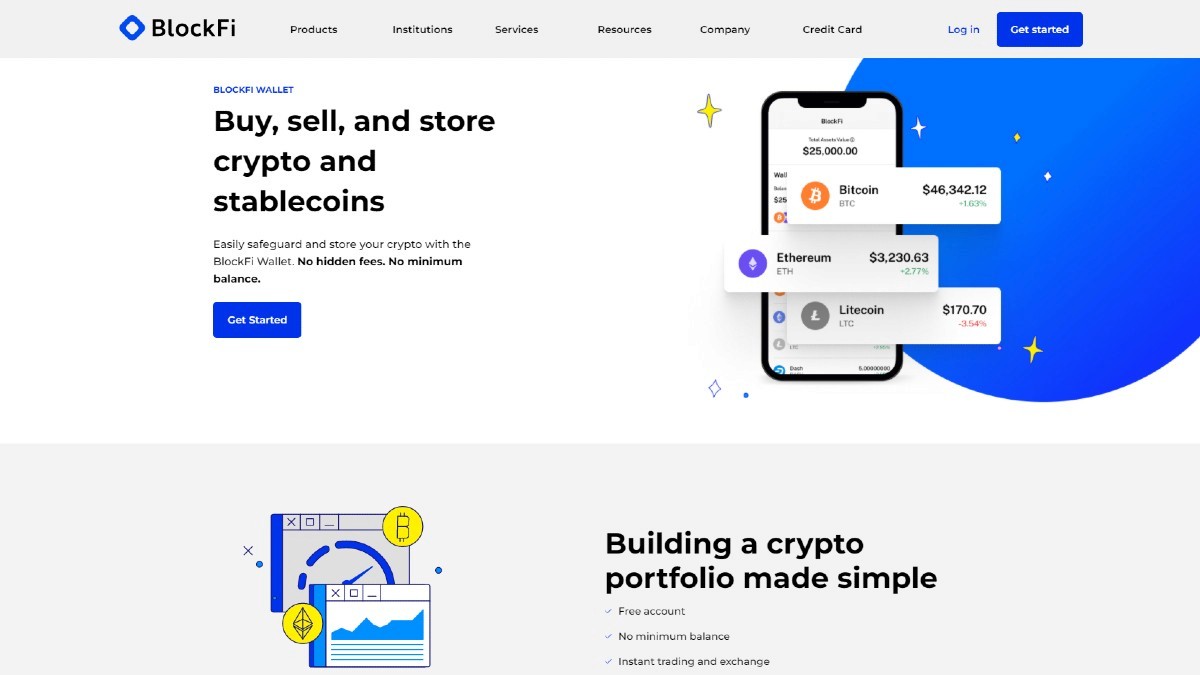
BlockFi Login: A Complete 1200-Word Informational Guide
The BlockFi login system plays a central role in how users access their accounts, view financial information, and interact with the platform’s services. Although many people recognize BlockFi for its involvement in digital-asset financial tools, the login experience itself is structured around security, clarity, and accessibility. Logging in is more than a simple username and password entry; it is a layered process that protects sensitive information and helps maintain account integrity. This guide explains the principles behind the BlockFi login environment, its features, account-access journey, and the typical security design that platforms like BlockFi implement to safeguard user sessions.
Understanding the Purpose of the BlockFi Login System
A login system is the front door to any digital platform. For BlockFi, it acts as the authentication gateway that verifies a person’s identity before granting access to their account dashboard, balances, transaction history, settings, or any other features the platform provides. Without a secure login structure, financial information would be vulnerable to unauthorized activity. Therefore, the BlockFi login framework is designed to balance ease of access with protective measures that reduce risk.
BlockFi’s platform—like many financial technology services—relies on multi-layer verification. This helps ensure that the person signing in is actually the rightful account holder. While these systems may seem routine, they are crucial features that support user safety and defend personal data.
How Login Systems Typically Function
Before accessing an account, the system must confirm identity. Platforms usually follow a combination of the following steps:
Credential Entry
The user inputs their registered email and password. These credentials are matched against encrypted records stored securely by the platform.
Identity Verification
After receiving login credentials, the system checks whether the information matches an existing account. Encrypted verification ensures that sensitive information is never exposed.
Secondary Authentication
Many financial technology platforms, including BlockFi, use additional layers such as codes sent to email or authentication apps. This helps prevent unauthorized access even if someone knows the password.
Token-Based Session Creation
Once validated, the system creates a temporary secure session, allowing the user to navigate their account dashboard.
These steps aren’t exclusive to one platform—they represent the broader security models followed by modern fintech services to keep users protected.
Why a Secure Login Process Matters for BlockFi Users
BlockFi handles financial data, digital-asset information, and personal details. Because of that, the login system must be carefully protected. Security incidents in the financial world can lead to data exposure, unauthorized transactions, or breaches of personal privacy. This is why platforms like BlockFi implement layered defenses.
A secure login process:
Safeguards personal account information
Helps prevent unauthorized changes
Protects transaction histories
Keeps financial data private
Offers peace of mind when interacting with the platform
These protections allow users to focus on managing their account rather than worrying about digital threats.
Account Dashboard After Login
Once a user successfully logs in, they reach the account dashboard. Although features depend on the version of the platform, dashboards typically include:
An overview of financial balances
Transaction histories
Notifications or important announcements
Account settings
Portfolio-related information
Tools for managing supported digital-asset activities
Dashboards are designed to present information in a clear format, helping users quickly understand their account status.
Even though dashboards contain accessible navigation buttons, platforms ensure that certain actions still require confirmation. This additional protection layer ensures account integrity.
Security Elements Common in BlockFi-Style Login Systems
Over time, digital platforms have adopted multiple security strategies. While every platform is unique, many financial-tech login systems use similar principles:
Encrypted Credentials
User passwords are never stored as plain text. They are converted into cryptographically secure hashes.
Two-Factor Authentication (2FA)
A code may be required after entering a password. This code can be delivered through email, authentication apps, or security tools.
Time-Limited Sessions
Sessions expire automatically if inactive. This prevents unauthorized users from accessing an account left open on a device.
Device Recognition
Platforms can sometimes recognize previously used devices, adding another layer of protection.
Security Alerts
If there is an unfamiliar login attempt, the user may receive a notification.
Together, these features create a flexible but protective login environment.
Common Reasons Users Have Login Difficulties
Login challenges can happen on any digital platform. They are typically caused by:
Incorrect Credentials
Typos in email or password entries are a frequent reason login attempts fail. Platforms usually provide options to reset or check credentials.
Outdated App Versions
Sometimes users try accessing an outdated version of an application that no longer supports login operations.
Multi-Factor Authentication Mismatch
When 2FA is enabled, users need to enter the correct verification code. Entering an expired or incorrect code may prevent access.
Browser or Device Issues
Cookies, cache, browser settings, or old devices may interfere with login functions.
Security Holds or Account Verification Requirements
Sensitive-data platforms often temporarily limit login attempts if unusual patterns are detected.
These situations are part of normal digital-security behavior and are not exclusive to BlockFi.
Account Recovery Concepts
Most fintech platforms include basic account recovery methods. These are general approaches designed to assist users in restoring access securely. Common recovery features include:
Email-based resets
Verification prompts
Identity-confirmation questions
Secondary authentication tools
These procedures help ensure that account access remains available only to the rightful owner while supporting users who may have forgotten certain information.
Digital Safety Tips Applied to Login Systems
Anyone using online financial tools can benefit from good digital safety habits. While these tips apply broadly to many platforms, they are particularly helpful in the context of secure login environments:
Use unique passwords
A unique, strong password prevents one compromise from affecting multiple accounts.
Keep authentication tools updated
Apps used for verification codes or emails should remain updated for maximum protection.
Avoid accessing accounts on shared devices
Public or shared computers increase the risk of unauthorized access.
Be cautious of suspicious messages
Phishing attempts may mimic login pages. Legitimate login screens always follow secure access rules.
Log out after use
Even with secure sessions, logging out is a good habit.
These tips are all designed to help maintain the safety of online accounts.
Why Login Systems Continue to Evolve
Financial technology grows rapidly, and so do digital-security challenges. Platforms constantly update their login frameworks to stay aligned with modern protection standards. Improvements may include:
Stronger encryption
Additional authentication layers
Updated session-management tools
Newer user-experience features
Better fraud-detection systems
This ongoing evolution supports user confidence and helps adapt to changing technologies.
Conclusion
The BlockFi login system is a central part of how users securely access their accounts and interact with the platform. It represents a blend of accessibility and protection, using credential verification, multi-factor authentication, encryption, and session-security tools to safeguard sensitive financial information. Whether accessing balances, checking histories, or updating account settings, the login gateway ensures that only authorized individuals can view or manage the information inside.
Understanding how login systems work, why they are structured the way they are, and what security measures support them helps users navigate their accounts confidently and safely. The more familiar people become with digital-security principles, the easier it is for them to interact with financial platforms in a responsible and protected way.