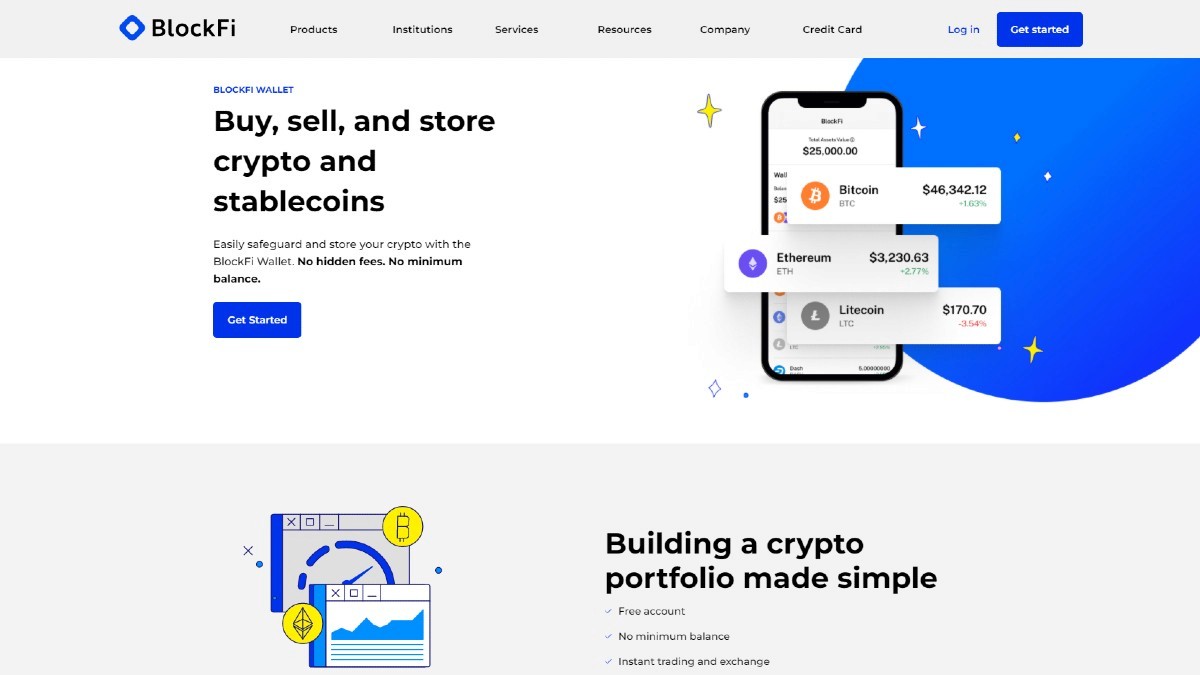
BlockFi Login: A Fresh 1200-Word Guide
The BlockFi platform has long been known for offering services centered around digital assets, including interest accounts, borrowing options, and portfolio management. Although the company has gone through major changes over time, many people still search for guidance on how the BlockFi login process works, what it represents, and how account access typically functions. This guide offers a clear, educational, and safe explanation of the BlockFi login experience, how user accounts are managed, and what someone can expect when navigating a digital-asset platform like BlockFi.
Understanding What the BlockFi Login Represents
When someone talks about the “BlockFi login,” they are referring to the process of accessing a personal account on the BlockFi platform. An account provides access to balances, transaction history, settings, and any tools or services that the platform offers. The login page functions as a gateway—its purpose is to authenticate users, protect accounts, and ensure that only the rightful owner can see or manage sensitive information.
While the BlockFi platform itself has undergone operational shifts, the general concept of a login system remains the same: a secure entry point that verifies identity and offers account control. The main goal of a login system like this is to help prevent unauthorized access and maintain the privacy of user data.
Why the Login Process Matters
Digital-asset platforms must be extremely careful with authentication because financial data is involved. Even if someone is not using the platform for large transactions, personal information must be protected. A login system acts as the first layer of defense against misuse. It ensures that only the verified account holder can view balances or use any platform features.
Because digital-asset platforms often integrate blockchain-based tools, portfolios, interest systems, or borrowing dashboards, access control becomes even more critical. Logging in is not simply about entering an account—it’s about verifying identity in a secure way.
The Basic Steps of Account Access
In most online platforms similar to BlockFi, the login process typically includes a few main steps. These can vary slightly depending on updates or security enhancements, but they commonly include:
Entering Account Credentials
A user normally provides the email address and password associated with their BlockFi account. These act as the primary identifiers. The login page will cross-check this information with stored records to see if it matches an existing profile.
Completing Security Verification
Many platforms add a second layer of authentication, such as verification codes or confirmation prompts. This additional step, often called two-factor authentication, is designed to ensure that even if someone obtains the user’s password, they cannot enter the account without the second verification method.
Accessing the Dashboard
After credentials are confirmed, users can enter their account dashboard. This page typically includes information such as balances, past activity, and whatever tools the platform currently supports. Even when features change over time, this dashboard-style layout helps users stay organized.
Dashboard Overview and Navigation
Once logged in, users typically land on a main dashboard. This page functions as the central hub. While the exact layout of the BlockFi dashboard has changed across different service phases, the key purpose remains the same—providing a clean overview.
Common dashboard elements include:
Balance summaries for supported assets
Transaction logs showing deposits, withdrawals, transfers, or internal movements
Interest and earnings information where applicable
Borrowing or repayment sections, if the platform offered lending tools
Notifications and updates from the platform
Settings and security options
Support and account documentation
This layout helps users understand their account in seconds. It reduces confusion, keeps things organized, and allows people to find what they need without searching through a cluttered interface.
Account Security Features
Security is one of the most emphasized parts of the BlockFi login experience. Because digital assets are highly sensitive, platforms like BlockFi use multiple layers of protection. While specific tools may vary, these are the types of protections often associated with the login process:
Password Protection
The foundation of account security. A strong password reduces the risk of unauthorized access.
Two-Factor Authentication
A second layer of verification using a code or mobile prompt. This is one of the most effective ways to protect user accounts.
Login Notifications
Some platforms send alerts when an account is accessed from a new location or device. These notices inform users of unusual activity.
Recovery and Reset Options
Password reset tools help users regain access if they forget their login information. These remain behind security checkpoints to prevent abuse.
Session Controls
Some platforms allow users to view or manage active sessions, giving them the ability to sign out devices that shouldn’t be connected.
These tools illustrate how seriously digital-asset platforms take user protection.
Managing Account Settings After Login
After entering their BlockFi account, users typically have access to a settings menu where they can customize their preferences. These settings may include:
Updating personal information
Changing passwords
Modifying security preferences
Checking verification status
Viewing compliance details
The settings section exists to empower users. It allows them to keep their account current, secure, and aligned with their needs. Even if certain features have changed over time, the general structure of an account settings page remains very consistent across digital-asset platforms.
Troubleshooting Login Issues
Like any online service, users occasionally encounter challenges when trying to log in. Some of the most common situations include:
Incorrect Passwords
If a password is forgotten or mistyped, the login will not work. This is designed to protect user accounts from unauthorized attempts.
Locked Accounts
Too many failed attempts may trigger temporary locks. These locks safeguard the account and prevent suspicious access.
Two-Factor Authentication Problems
Verification codes may expire or fail to send. In such cases, users typically check mobile settings or ensure their authentication app is synced.
Browser or Device Conflicts
Sometimes clearing cache, restarting a browser, or switching devices can resolve login display issues.
In all cases, platforms like BlockFi usually provide recovery methods to help users regain access safely and securely.
Why People Look for BlockFi Login Information
Even though the BlockFi platform has changed significantly, people continue searching for “BlockFi login” for various reasons:
Accessing historical account information
Checking old balances or statements
Looking for updates regarding platform changes
Attempting to review previous activity
Exploring educational information about login systems
Researching how authentication worked on major digital-asset platforms
The login process is important not only for active users but also for anyone studying how digital-asset platforms manage account security.
How Login Systems Impact User Trust
A strong login system plays a major role in building trust. Users must feel confident that their financial information is protected. Digital-asset platforms compete not only on features but also on safety. When a login system is stable, clear, and well-designed, it helps users feel secure, which encourages them to use the platform more comfortably.
Trust, in a digital-asset context, is built through three major elements:
Clear authentication methods
Strong security protections
Transparent communication from the platform
The BlockFi login process historically aimed to balance accessibility with safety.
Conclusion
The BlockFi login process serves as the entry point to a user’s digital-asset account. Even as BlockFi has evolved over time, the fundamental idea behind the login remains the same: secure, verified, and controlled access to personal financial information. Understanding how login systems work—passwords, authentication layers, dashboards, settings, and recovery options—helps users navigate platforms more safely and confidently.
This guide provides a complete, refreshed, and educational overview of the BlockFi login experience, helping readers understand the broader principles behind secure account management in the digital-asset space.