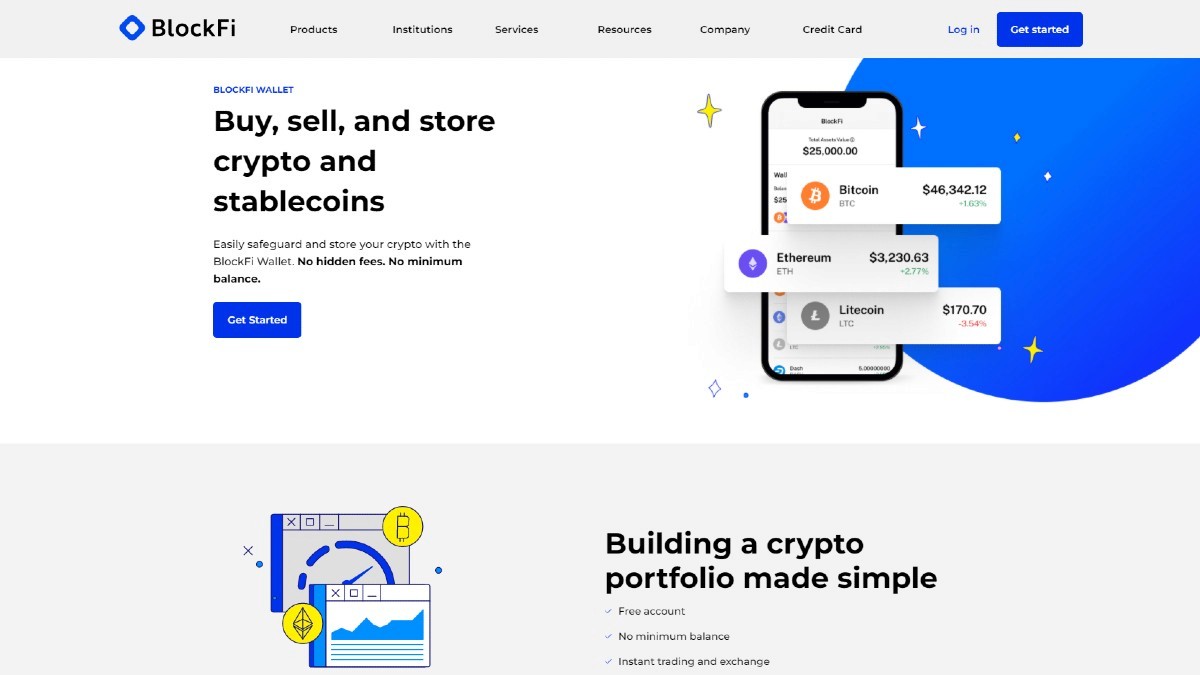
BlockFi Login: A Comprehensive 1200-Word Overview
The BlockFi platform was created to give users a way to interact with digital assets while using familiar financial tools. Over time, it became known for offering account dashboards, loan management interfaces, and portfolio tracking features. One of the most important parts of using any online platform, including BlockFi, is understanding how the login process works, why it matters, and how it contributes to account security. This overview explains the concept of BlockFi login, the typical user flow, and the overall purpose behind secure access systems.
Understanding What “BlockFi Login” Means
When people refer to “BlockFi login,” they are talking about the action of accessing a personal BlockFi account through the official platform interface. Logging in serves as the gateway between the user and the account features offered by the platform, such as checking balances, viewing activity, adjusting settings, or managing assets. Even though BlockFi has gone through major operational changes over the last few years, the general idea of secure login practices remains important for educational purposes.
A login page is not just a simple doorway—it is a security checkpoint. It confirms that the person attempting to access the account is authorized to do so. This is why login systems across reputable financial and digital-asset platforms use multiple layers of verification, even before a user reaches their dashboard.
Purpose of a Secure Login System
Secure login systems exist for several important reasons:
1. Protecting Personal Information
Accounts may contain sensitive details such as contact information, past activity, and account settings. A strong login system helps prevent unauthorized access to these details.
2. Preventing Unauthorized Activity
Without proper verification, someone could try to interact with account features without permission. A secure login system helps ensure that only the account owner can reach sensitive areas.
3. Offering Account Ownership Assurance
A login process helps platforms confirm that every action—moving between pages, reviewing information, or accessing tools—is performed by the proper user.
4. Maintaining Platform Safety
Even if a user’s device or browser is compromised, login layers make it more difficult for someone to access accounts using stolen information.
Typical Login Steps on a Platform Like BlockFi
While exact details vary depending on platform updates and company changes, login systems across financial and digital-asset platforms often follow similar patterns. BlockFi’s login flow historically included steps such as:
Entering Account Credentials
Users would type in the email address associated with their account and the password they created during signup. Password strength usually matters because weak passwords can be guessed or compromised more easily.
Two-Factor Verification (Common in Financial Platforms)
Many financial and asset-related platforms use two-factor authentication. This adds a second step—like entering a code sent to a phone or generated by an authenticator app—before the user can access the account. This extra layer helps ensure that even if someone knows the password, they still cannot get in without the code.
Device Recognition
Sometimes, a login system may recognize whether the attempt is coming from a known device. If the device is unfamiliar, the platform may request additional confirmation. This is common across major online platforms and is used to reduce risk.
Account Dashboard Access
Once login steps are completed, a user is taken to the dashboard, where they can review balances, view historical information, or manage their general settings.
These steps contribute to a safer, more controlled environment for account holders.
BlockFi’s Dashboard and What It Represented
The login process historically led to the BlockFi dashboard. While the platform’s offerings evolved over time, the dashboard generally served as a central area that displayed:
Account overviews
Balances and values
Activity logs
Settings and preferences
A dashboard acts like a home base. Once logged in, users could explore different sections in an organized format. Clear navigation helps people understand their financial information without feeling overwhelmed.
Security Design Behind Login Systems
Secure login experiences rely on several concepts and strategies designed to protect accounts from unauthorized access. Even though no platform is perfect, reputable systems use common principles such as:
Password Encryption
Platforms typically encrypt passwords instead of storing them in readable form. This means that even internal systems cannot see the original password.
Login Attempt Monitoring
Many platforms watch for unusual patterns, such as repeated failed login attempts, which may indicate someone is trying to guess an account password.
Automatic Session Timeout
Some dashboards log users out after long periods of inactivity to reduce the risk of unauthorized access if a device is left unattended.
Secure Connection Protocols
Platforms commonly use encrypted connections to prevent information from being intercepted between the user’s device and the server.
These practices form the backbone of modern online security, regardless of which platform is involved.
User habits that contribute to safer login experiences
Even though platforms build secure systems, user habits also play an important role. Good login habits help protect accounts from everyday risks. Examples include:
Using strong, unique passwords
Avoiding sharing login details with anyone
Staying cautious when using shared or public devices
Keeping personal devices updated with current security patches
These habits apply to nearly every online platform that involves personal account access.
Why Platforms Emphasize Secure Login Practices
Digital-asset platforms tend to highlight secure login behaviors because online accounts can be targets for unauthorized access attempts. Whether a user is new to the platform or experienced in the digital-asset world, safe login habits help protect their information.
Additionally, login systems help maintain trust. When a platform demonstrates that it prioritizes security, people feel more comfortable interacting with it. This trust is essential in any service that handles sensitive financial data.
Changes Over Time
BlockFi went through many changes as the digital-asset landscape evolved. Even though the original service model is no longer active in the way it once was, the idea of secure login systems remains relevant. Learning about login processes can help people understand:
How online financial platforms safeguard user information
Why multiple verification steps exist
How dashboards are structured to organize user data
What role login systems play in overall security architecture
These lessons apply to many other digital-asset platforms and financial tools.
Login Pages as a User’s Entry Point
When looking at the bigger picture, a login page is not just a simple form—it is the border between the public and private sections of an online platform. Behind the login wall are sections designed specifically for account holders. In front of the login wall is the general informational area.
This separation allows platforms to maintain organized systems where sensitive information is properly protected.
Conclusion
The concept of “BlockFi login” represents a general set of practices related to securely accessing an online financial platform. While BlockFi itself has gone through significant transitions, the principles surrounding login security remain useful and relevant. Secure access is essential for protecting user accounts, safeguarding personal data, and ensuring that only authorized individuals can interact with sensitive information.
Understanding how login systems work—what steps they include, why they exist, and how they protect users—gives people a clearer picture of how modern digital-asset platforms operate. Whether someone is simply studying how login systems are designed or learning about platform security in a general sense, these concepts are important to know for safe online interaction.